One of the most crucial and overlooked aspects of interior design is lighting. The way you illuminate your living space has the potential to dramatically influence the ambiance, mood, and functionality of an area. Thoughtfully considered lighting can transform an area, creating a welcoming and comfortable atmosphere. In this blog post, we will explore the foundational principles to master lighting so you can enhance your interior space with valuable tips to help elevate your home’s aesthetics.
Before diving into lighting design, it’s necessary to understand the three primary types of lighting: ambient, task, and accent.

Ambient Lighting:
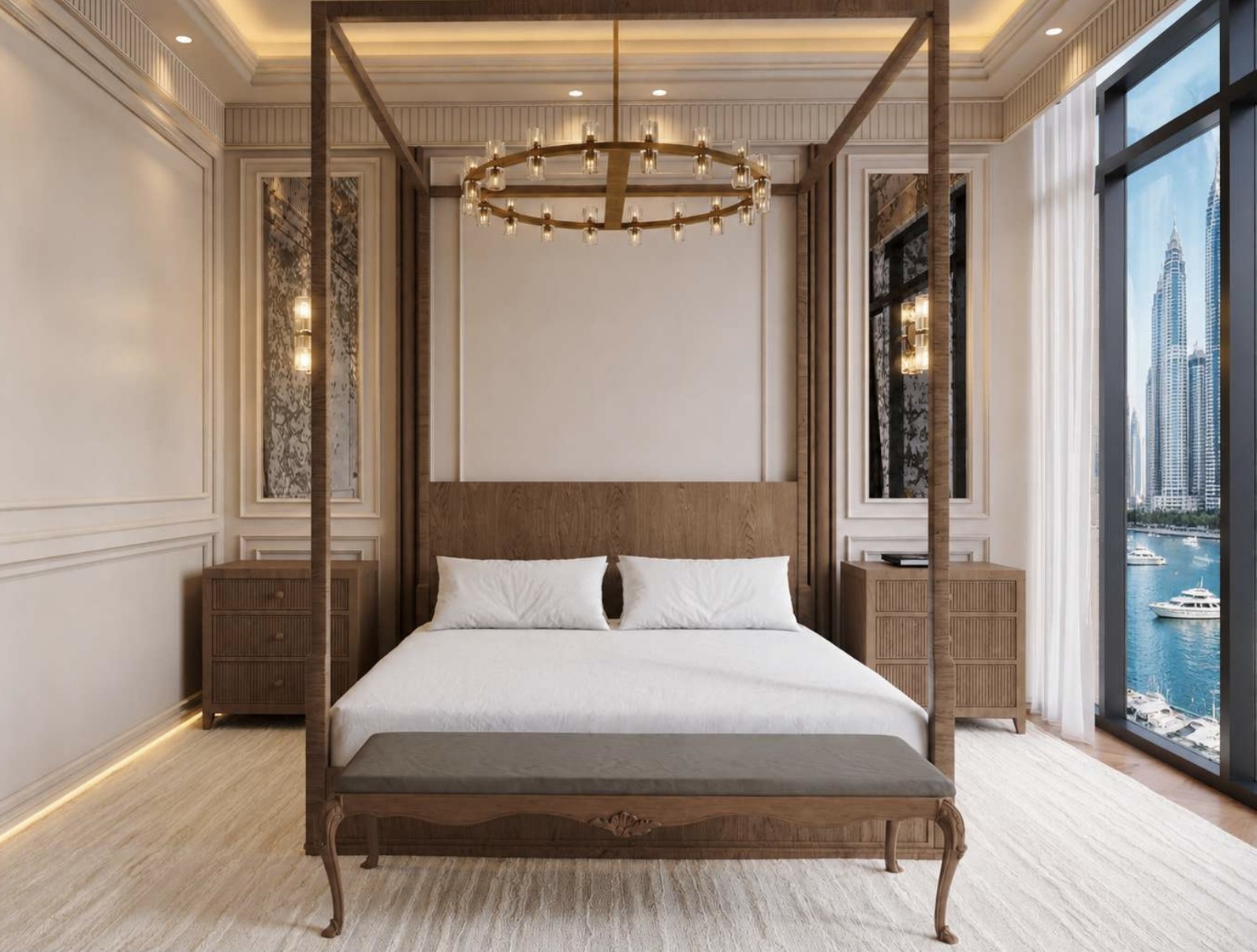
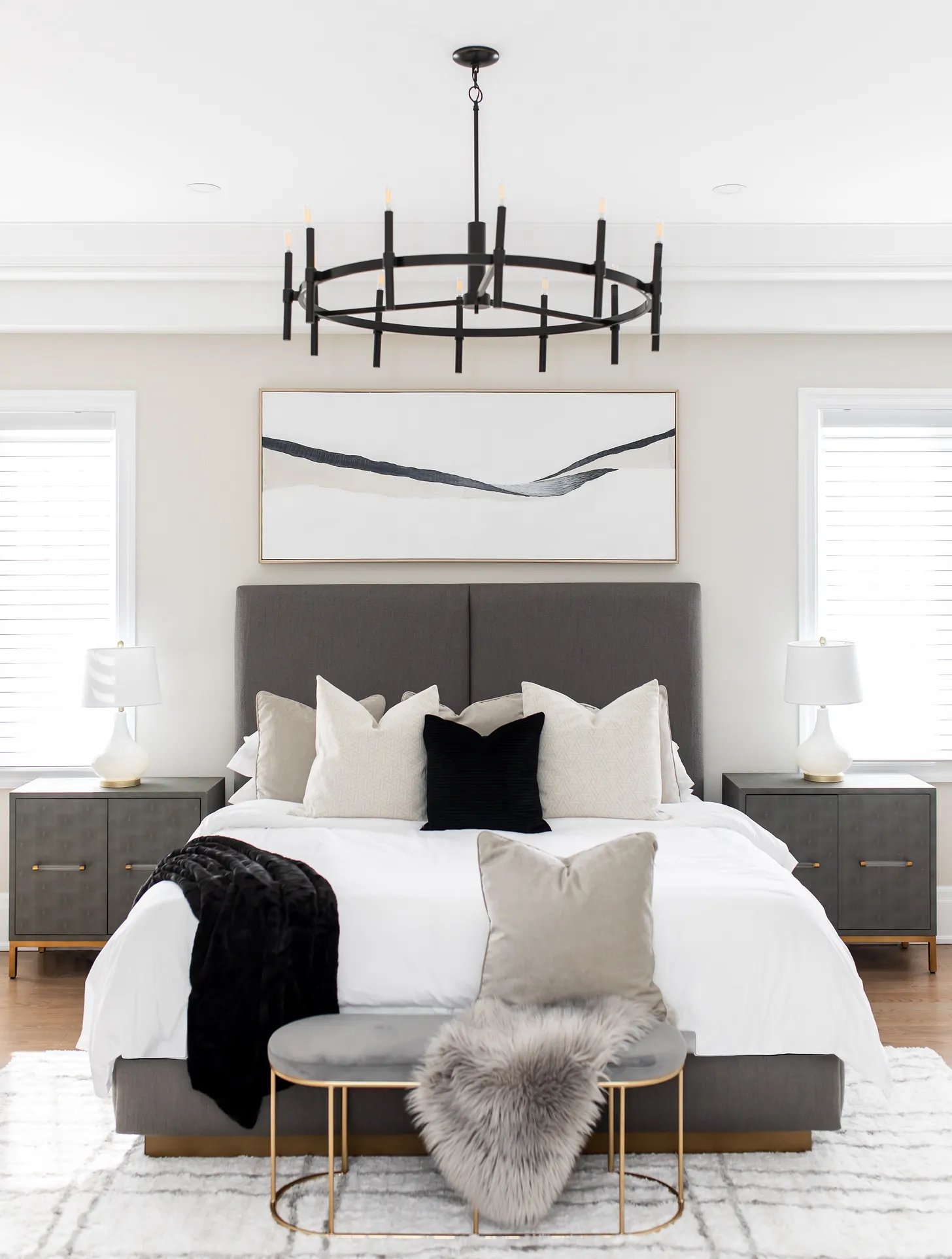
Serves as the overall illumination in a room. Ambient lighting involves general light fixtures like chandeliers, ceiling-mounted fixtures, or recessed lights that provide uniform brightness throughout a space.

Task Lighting:
Task lighting is meant to support specific activities. It is used to create adequate lighting for reading, cooking, or working. Table lamps, floor lamps, and under-cabinet lights are the most common examples of task lighting.

Accent Lighting:
Accent lighting can be used to highlight specific features, objects, or architectural elements in a space, and to create a visual interest. Some examples of accent lighting are spotlights, wall-mounted fixtures, and decorative pendant lights.

Layering Your Lighting
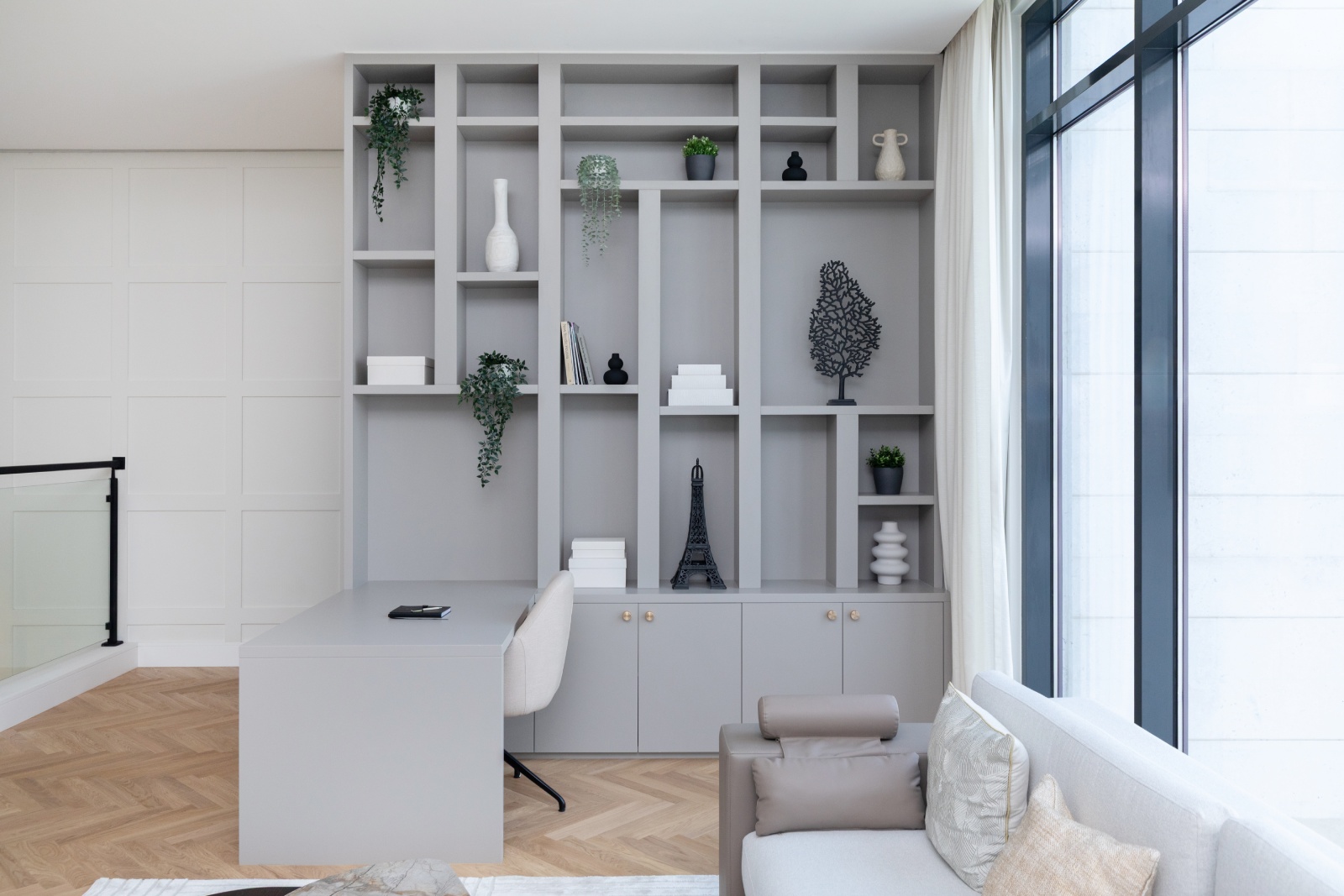
One of the key principles of lighting in interior design is layering. By combining multiple types of lighting in a room, you can create a sense of depth and dimension, which supports a more inviting and functional space. For example, by combining all three types of lighting in your living room you can help support relaxation, and focused activities, while also emphasizing your book collection with under-cabinet lighting.

Balance and Distribution
Maintaining balance and distribution while planning lighting is important. Large rooms may require multiple light sources to avoid dark spots and to maintain even lighting. Smaller spaces could benefit from a single well-placed fixture. Some other things to consider are the height and size of your fixtures in relation to both the furniture and architecture of the room. Proper proportions can create a harmonious environment that feels well put together.

Utilizing Natural Light
Embrace natural light whenever possible. Sunlight not only adds warmth and liveliness to a room, but it also has many positive impacts on our well-being. Arrange furniture and use reflective surfaces to maximize the distribution of natural light throughout your space.

Paying Attention to Color Temperature
The colour temperature of a light plays a significant role in the overall atmosphere of a room. Warm white light (around 2700K) creates a cozy and intimate ambiance, suitable for bedrooms and living rooms. Cooler white light (around 5000K) works well in task-oriented areas like kitchens and workspaces. Make sure to choose lighting fixtures with appropriate colour temperatures to match the function and mood of the space.

Using Lighting as Decorative Elements
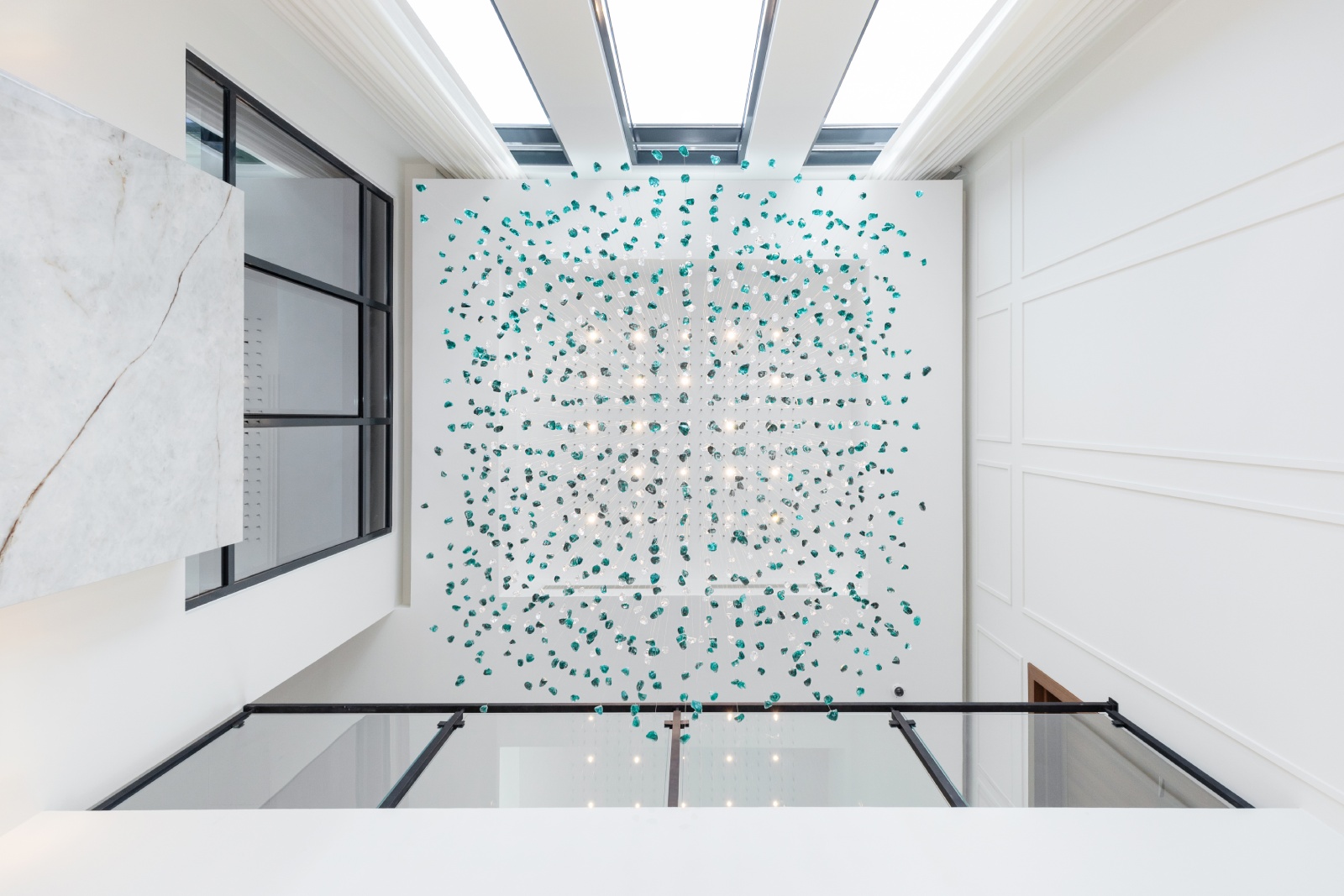
Lighting fixtures themselves can act as striking decorative elements. Pendant lights with unique designs and chandeliers can become focal points that enhance the overall aesthetic of the room.

Incorporating different lighting within your spaces can significantly impact the look and feel of your home. By understanding the various types of lighting and layering them thoughtfully, you can create inviting, functional, and visually stunning spaces that perfectly suit all your needs and preferences.